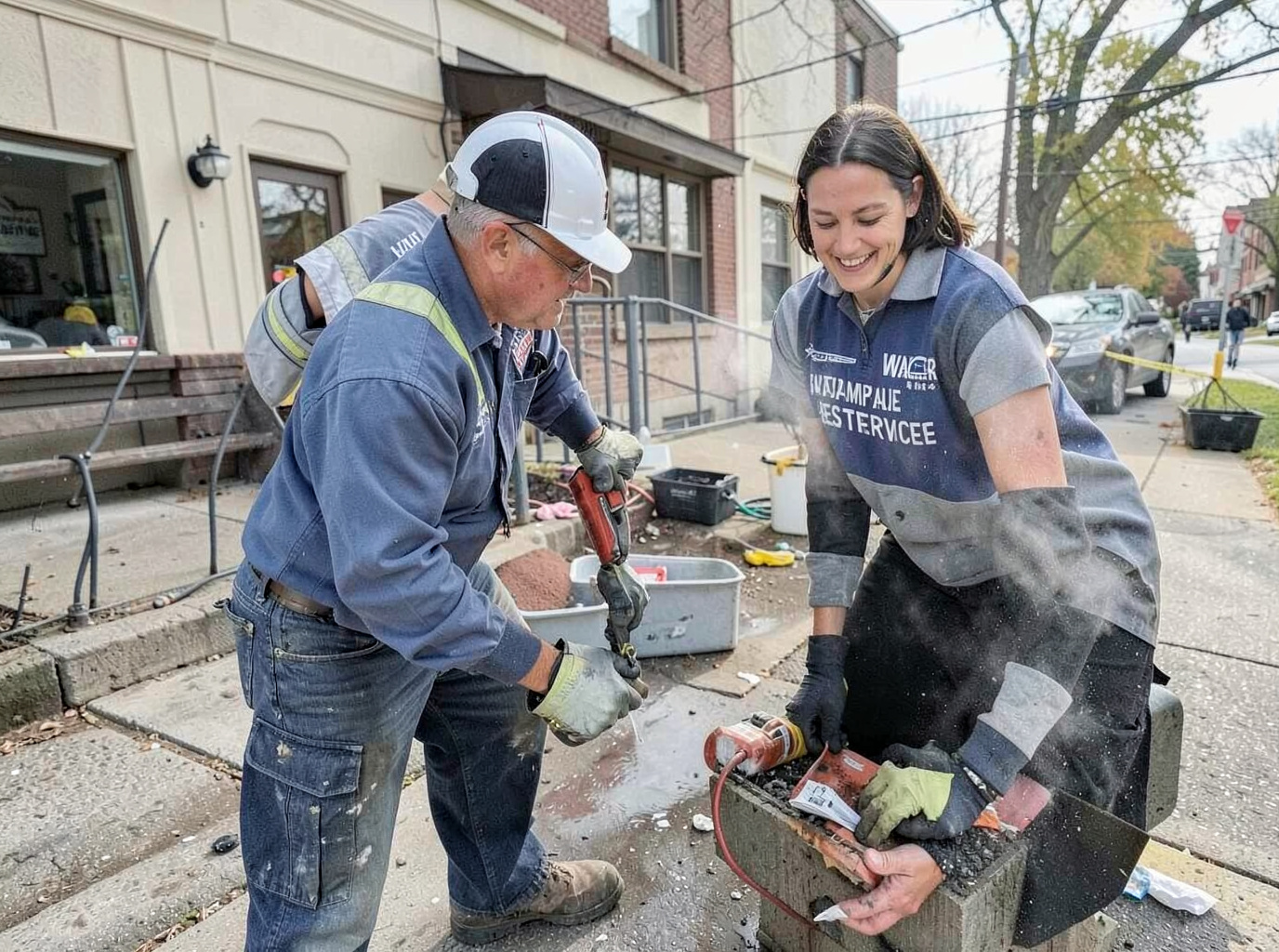
Durham’s older housing stock in neighborhoods like Trinity Park and Old West Durham often features plaster walls, balloon framing, and crawl spaces that trap moisture after leaks. In the county’s humid subtropical climate, summer humidity levels above 70 percent can extend drying times by days compared to drier regions, requiring industrial dehumidifiers and air movers staged properly to avoid secondary mold growth behind baseboards or in subfloors. Technicians must also watch for hidden damage around older cast-iron plumbing common in pre-1960 homes near the American Tobacco Campus.
Water entering from roof leaks during heavy summer storms or appliance failures travels differently on Durham’s gently sloping lots, often pooling against foundation walls in North Durham properties. Category 2 gray water from washing machines or dishwashers demands containment barriers and antimicrobial treatment before structural drying begins, while Category 3 black water from sewage backups requires full PPE protocols and disposal per local health department guidelines. Restoration crews coordinate with Raleigh-area disposal sites when large volumes of saturated materials must be removed.
After extraction, moisture mapping with thermal cameras identifies wet pockets in hardwood floors common in Brightleaf district homes. Controlled demolition removes only affected sections to preserve original trim and doors, followed by targeted drying that accounts for the county’s mild winters allowing year-round work but still requiring supplemental heat when temperatures dip. Final verification uses pin meters and documentation for insurance claims typical in Durham County.
Coordination with local utility shutoffs at the meter is routine on jobs near Duke University Chapel where older service lines run close to foundations. Crews document every step with photos and moisture logs so homeowners in Downtown Durham can track progress without surprises on final invoices.
Technician insight
In Durham, the thing that catches most people out with water damage is how quickly mold sets in during our humid summers inside the tight crawl spaces under 1920s–1940s homes in Trinity Park and Old West Durham. Homeowners often stop at visible puddles and miss the moisture that travels under hardwood into plaster walls, turning a two-day drying job into full room rebuilds.
Crawl Space Leak After Summer Storm
Heavy rain overwhelmed a downspout near a 1930s home in Trinity Park, sending water under the floor. Inspection found saturated insulation and mold starting on joists. Extraction and targeted drying prevented spread to the living area; new insulation and vapor barrier were installed with final readings below 12 percent.
Water Damage Restoration Service Services We Offer
✓Emergency Water Extraction
Rapid removal of standing water from basements and crawl spaces in Durham homes using truck-mounted pumps to limit structural saturation.
✓Structural Drying and Dehumidification
Placement of commercial air movers and dehumidifiers sized for Durham’s humidity to dry walls, subfloors, and insulation without promoting mold.
✓Carpet and Hardwood Floor Restoration
Water extraction, pad removal, and drying or refinishing of flooring in Trinity Park and Old West Durham homes to prevent cupping and odors.
✓Drywall and Insulation Replacement
Selective removal of wet drywall and insulation followed by new installation and texture matching in affected Durham County rooms.
✓Sewage and Category 3 Cleanup
Full containment, removal, and disinfection of contaminated water from backups common after heavy rains near Downtown Durham.
✓Content Cleaning and Pack-Out
Inventory, cleaning, and safe storage of furniture and belongings from water-damaged homes in Brightleaf and North Durham.
Water Damage Restoration Service Cost in Durham, NC
| Service | Typical Range | What Affects It |
|---|---|---|
| Emergency Water Extraction | $600–$1,800 | Higher for Category 3 or multi-story access in older Durham homes |
| Full Structural Drying | $800–$2,500 | Depends on duration and number of dehumidifiers needed in humid months |
| Drywall Removal And Replacement | $1.50–$3.50 per sq ft | Includes disposal and basic texture match |
| Flooring Restoration | $4–$12 per sq ft | Hardwood refinishing costs more than carpet pad replacement |
Ranges are typical for Durham, NC and confirmed with an exact written quote before any work starts.
How it works
- 1
On-Site Assessment
Technician inspects all affected areas, identifies water category, and maps moisture using meters and thermal imaging.
- 2
Water Removal
Extraction equipment removes standing water and saturated materials while containing the work zone.
- 3
Drying And Monitoring
Industrial drying equipment runs with daily moisture checks until readings return to normal.
- 4
Restoration And Verification
Repairs, replacements, and final documentation complete the job for insurance and homeowner sign-off.
Pricing
Pricing varies by water category, square footage affected, and required demolition; upfront quotes provided after inspection.