2026-11-12 · Thomas Avery
How To Dry Out A Flooded Basement After Heavy Durham Rains
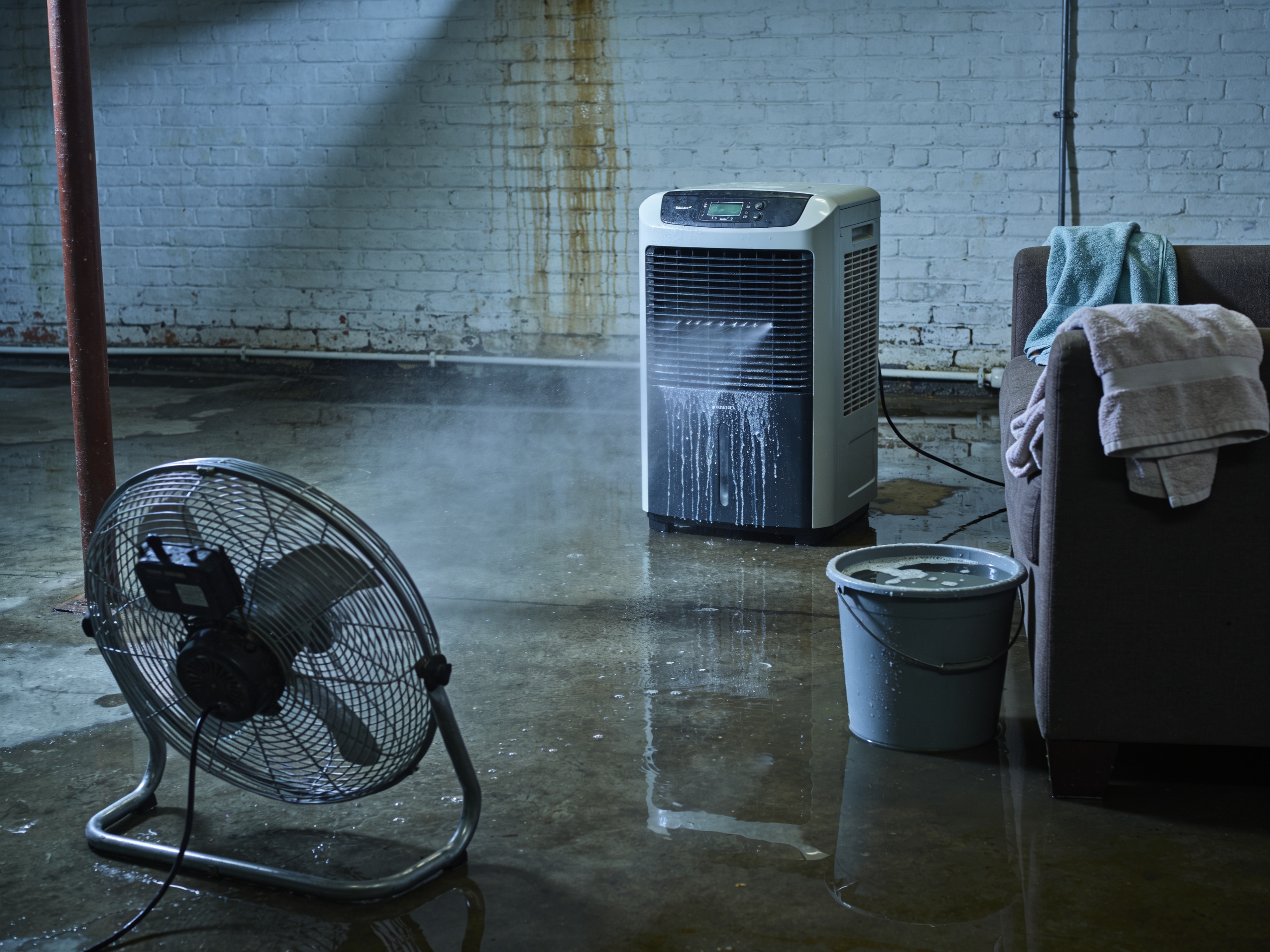
In Durham's humid subtropical climate, a flooded basement after heavy rains typically requires 3–7 days of active drying once standing water is gone, depending on square footage, insulation type, and airflow. Start by shutting off power to the affected area, then extract water with a wet vac or submersible pump before focusing on dehumidification and ventilation. Older homes in Trinity Park and Downtown Durham often have stone or brick foundations that hold moisture longer than newer builds, so thorough drying prevents recurring issues common in Durham County.
Assess Water Depth and Structural Risks
Walk the perimeter of the basement in North Durham or Brightleaf to note water depth and any silt deposits from runoff. Check for cracks in concrete floors or walls, especially in homes built before 1960 that line streets near the American Tobacco Campus. Document damage with photos for insurance while avoiding electrical outlets until power is confirmed off. Homes near Sarah P. Duke Gardens sit on clay-heavy soil that drains slowly, extending the time needed to reach safe moisture levels below 15 percent. This initial check reveals whether drywall must be cut 12–18 inches above the water line to stop hidden saturation.
Extract Standing Water and Silt
Remove bulk water first with a pump rated for at least 50 gallons per minute, then finish edges with a wet vac. In areas like Old West Durham, tree roots and aging storm drains can push additional groundwater in during storms, so recheck low spots every few hours. Dispose of extracted water and debris according to Durham County guidelines to avoid fines. Once the floor is clear, squeegee toward a floor drain if available, or create a temporary channel with plastic sheeting. This step alone can cut total drying time by 24–48 hours in typical summer downpours.
Set Up Airflow and Dehumidification
Position commercial air movers at 45-degree angles along walls and run dehumidifiers sized for 50–70 pints per day in a 1,000-square-foot space. Durham's mild winters still leave high humidity, so maintain indoor temperatures above 70 degrees Fahrenheit to speed evaporation from joists and subfloors. Rotate equipment every 12 hours and empty collection tanks twice daily. In Trinity Park row homes with shared walls, seal doorways with plastic to keep moist air from migrating to dry sections. Monitor with a moisture meter until readings stabilize under 12 percent on wood surfaces.
Address Hidden Moisture in Materials
Pull up saturated carpet pads and cut away wet insulation within 48 hours to limit mold growth common after Durham storms. For concrete walls, apply anti-microbial solution then continue drying with fans aimed at the base. Older plaster in Brightleaf homes can trap water behind layers, requiring infrared scans or probe meters for detection. If hardwood floors are present, expect 5–10 days of drying before refinishing becomes viable. Track progress daily and adjust equipment placement to reach every corner.
Professional water damage restoration teams can accelerate the process when DIY equipment falls short. See details on water damage restoration for equipment and extraction options used locally. Homeowners in Raleigh often face similar issues and find additional guidance in our article on what water damage restoration typically costs in Durham NC. For targeted repairs after drying, review water damage repair steps that address foundation sealing common in Durham County.